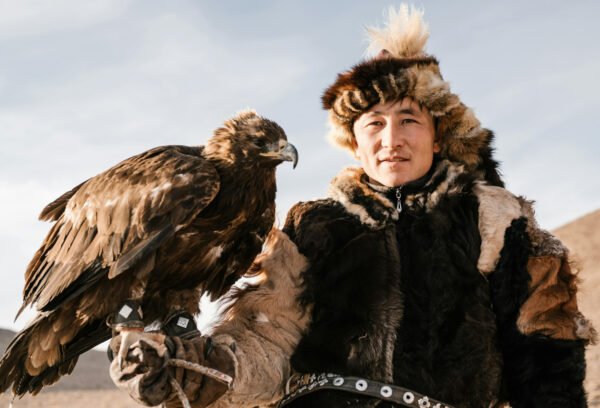
This week’s challenge invites you to explore ecological relationships in nature to gain insights into personal and professional dynamics. Observe and document examples of relationships such as commensalism, mutualism, and more in your surroundings. Reflect on how these parallel your own relationships and consider steps to transform unhealthy dynamics. This awareness can lead to a deeper appreciation of connections and inspire positive change.

Earth Day, initiated in 1970, has grown into a global movement, bringing attention to environmental issues. This week’s challenge encourages reflecting on our impact and adopting sustainable practices. Suggestions include cultivating a pollinator garden, reducing plastic use, embracing sustainable fashion, and participating in local cleanups. Share your experiences and inspire others. By making these changes, you contribute to a legacy of caring for the Earth and inspire others to do the same.
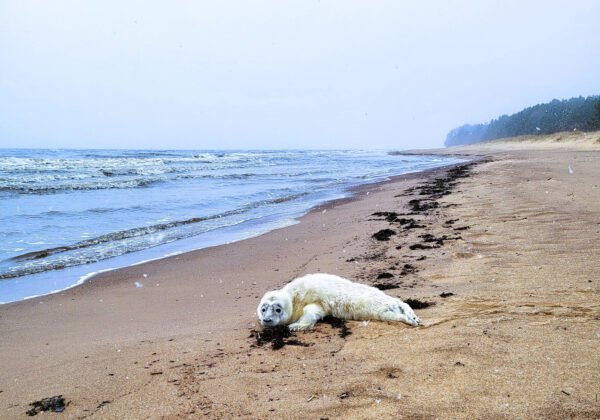
The Baltic Sea, a vital natural and cultural asset for over 85 million people, faces severe ecological challenges due to human exploitation. To become a guardian of the sea, one can research its ecosystem, connect with nature, adopt eco-friendly practices, engage in community events, create art, advocate on social media, and plan for sustained preservation efforts. This personal and collective journey fosters a deeper connection with nature and the community, empowering individuals to make a significant impact.

The natural world abounds with profound examples of family bonds characterized by loyalty, connection, acceptance, protection, and care. From wolf packs that move in unison to hunt and protect, to crocodiles that tenderly carry their young, to storks that return… Continue Reading →

The 6-week challenge, “Finding Balance in Life’s Transitional Spaces,” draws parallels between natural transitional zones like coastlines and the metaphorical periods of change in our lives. By reflecting on coastal creatures and identifying personal transitional spaces, you are encouraged to adapt to changing conditions and thrive in dual environments. This introspective practice aims to uncover strategies for thriving amidst life’s transitions, drawing inspiration from nature’s adaptability.
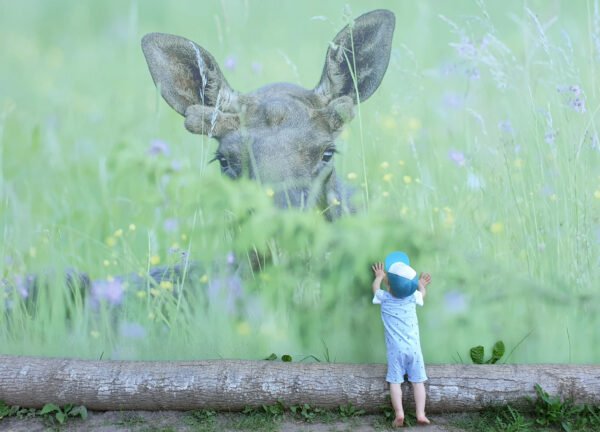
Today’s children face a vastly different world, navigating new health threats like climate change, childhood obesity, and mental illness. Reconnecting children with nature through ecotherapy and ecopsychology offers hope. Nature provides essential benefits for children, including physical activity, mental health, educational attainment, environmental behaviors, social-emotional learning, and personal development. Embracing nature therapy activities and incorporating nature into children’s lives is crucial for their holistic development.

This week’s journey focuses on strengthening our bond with nature and ourselves. We’ll document nature’s transition from winter to spring through photography, enhancing our mindfulness and connection to the environment. By selecting observation points, engaging our senses, and reflecting on the experience, we aim to appreciate the beauty and resilience of the natural world. Sharing our journey can inspire others to notice and cherish the subtle changes in their surroundings, fostering a deep connection to nature.
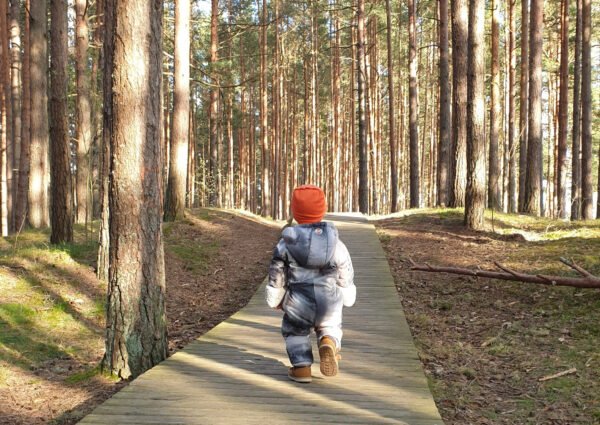
Connecting children with nature has profound positive impacts on their mental strength, creativity, and social bonds. Spending time outdoors fosters teamwork, empathy, and a sense of belonging. This connection also instills a responsibility to protect the environment, leading to a lifelong love for nature. Parents and educators play a crucial role in providing access to nature, nurturing well-rounded growth and environmental consciousness in children. This emphasizes the importance of integrating nature into children’s lives for their holistic development and environmental stewardship.
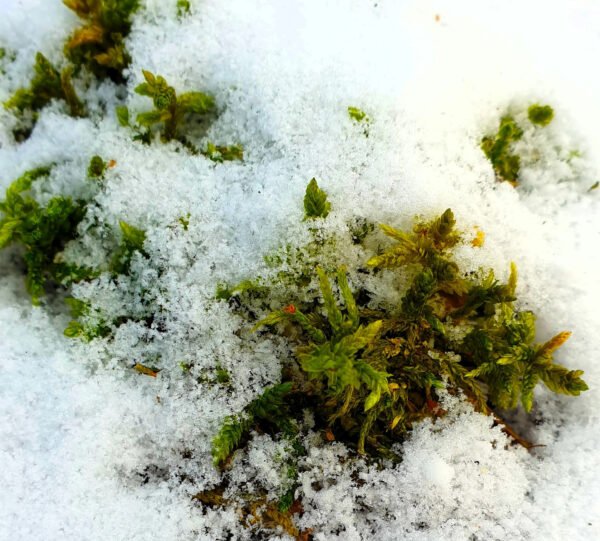
Research on “Nature-Based Biopsychosocial Resilience” introduces the groundbreaking Nature-Based Biopsychosocial Resilience Theory (NBRT), emphasizing the profound significance of nature for well-being. Immersing ourselves in nature enhances resilience across biological, psychological, and social domains, mitigating chronic conditions and fostering a more resilient society. It’s essential to prioritize nature for personal and community well-being.

This post invites readers to join “Weekly Nature Therapy Challenges” to reconnect with nature and improve well-being. Challenges, such as “Mindful Nature Walks,” encourage mindfulness and connection with the environment. Participants are urged to disconnect from distractions, engage their senses, reflect on their experiences, and share their journey for collective support and growth.



© 2026 Whisper of The Earth — Powered by WordPress
Theme by Anders Noren — Up ↑